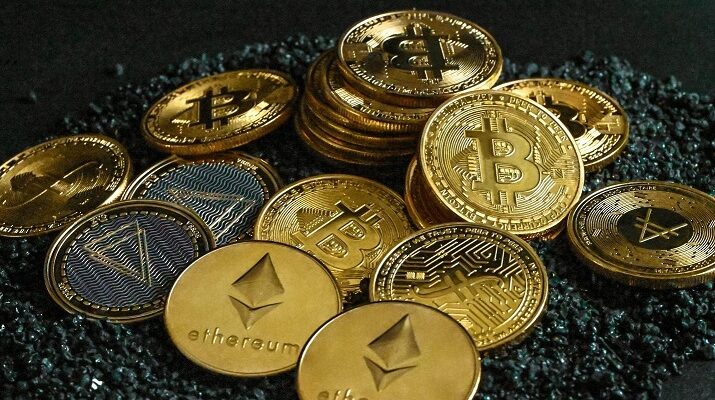
Cryptocurrencies have been entering the world of mainstream finance at a steady pace over the last few years, winning over an ever-growing number of investors looking to diversify their portfolios and make them more robust. The thing that attracted most investors to the marketplace in the first place is that it is so new and innovative. While investors search for the latest ADA price prediction figures before trading on Binance, it’s not all about the highest returns for many. A sizable portion of investors is interested because they believe cryptocurrencies are the future of finance, as their decentralized system has been discussed as a valid possibility for traditional finance systems as well, due to the transparency it can provide.
The sophisticated technology is one of the main reasons why investors have been apprehensive about giving cryptocurrencies a chance in the past, with many believing they lack the knowledge necessary to navigate this environment. However, interest in cryptocurrencies has been growing due to their potential, and traders have been trying to understand the intricacies of the assets even more. Even institutional investors have been looking to integrate crypto into their portfolios, showing that the marketplace is growing and becoming more reliable and trustworthy in the eyes of investors.
AI and blockchain
The blockchain has largely been connected with crypto transactions so far, but researchers think it could help other ecosystems develop as well. Supply chains and logistics are among the areas where it could prove to be most useful. Side by side with the blockchain is artificial intelligence, another development that is widely believed to have the potential to fundamentally change businesses and organizations. When it comes to the latter, it seems like the race has already begun to determine who will make the most of what AI has to offer. In a very short time, the tech has stopped being a novelty and evolved to be considered something of a necessity for companies operating in very different niches.
Some are looking to combine the two, with decentralized, AI-powered marketplaces gaining more followers. In these ecosystems, small and medium-sized businesses can pay for and use AI the same way as they would all other apps. Marketing, reporting, and finance are the sectors that are most likely to benefit at the moment, with payments completed in either fiat, stablecoins, or the native tokens of the platforms. These services are typically backed by hyperscale providers as they require considerable computing power. The assistance from these providers boosts enterprise-grade reliability and the reach of co-marketing endeavors.
Stablecoins
As cryptocurrencies become increasingly trustworthy in the eyes of the general public, they are also integrated into mainstream finance in increasing numbers. Some countries have already started experimenting with stablecoins as well. These tokens bypass volatility concerns as they’re able to maintain their value due to being backed by a different asset. Fiat currencies, commodities, and even other cryptocurrencies can be used for this purpose.
Recently, South Korea announced the launch of a won-backed stablecoin on a newly launched blockchain platform. The company, which is based in Busan, signed a memorandum of understanding in order to develop and deploy KRW1 on the network as part of an “organic cooperative framework”, a move believed to be beneficial for South Korea’s status as a crypto hub. The innovation could extend to other areas as well, helping more nations develop their stablecoins. Regulatory standards are still discussed, with experts saying that clear rules are needed for all issuers, whether they’re banks or not.
Web3 Wallet
Binance has joined forces with a blockchain data platform to give those who use Web3 wallets further insights into the dangers of token manipulations and insider trading. This integration has the potential to help millions of users employ blockchain data visualization tools in order to have a comprehensive look at token distribution and on-chain wallet clusters alike. The purpose here is to add more transparency to the trading experience as well as identify coordinated market behavior more efficiently.
The need for transparent blockchain practices continues to grow as the number of users grows as well. Users want to have clear insights into what’s going on so that they can make better decisions for their portfolios. While crypto trading can seem like a matter of luck most of the time, the truth is that a lot of it is based on the careful analysis of metrics and market movements.
Decentralized finance
Decentralized finance, or DeFi, is a system of financial services powered by blockchain technology rather than traditional third parties. Peer-to-peer transactions are enabled by the network, with lending, trading, and borrowing using smart contracts to automate the processes. The blockchain and crypto are used for transactions, and since the programs are self-executing, they carry out the terms of the agreements on their own when conditions are met.
Global payments are much faster when decentralized finance is used, investors have more control over their funds, and the yields have the potential to be much higher as well. However, researchers and investors point out that automated wallet protections are needed as well, as passive vaults can leave users exposed and vulnerable. At the moment, many wallets essentially operate as passive vaults, meaning that they still rely on constant input from the users, something that can be quite detrimental in a fast-paced marketplace such as crypto.
Automatic protections or the possibility of auto-selling are needed, and their lack has caused large numbers of users to lose considerable amounts of capital in the past. Creating more safety nets is something that should definitely be considered for the future so that traders are protected even when they are offline or asleep. Investors shouldn’t be forced to be in a constant state of vigilance, and this fundamental flaw can actually cause a lot of harm.
If you’re an investor, remember to keep up with the latest news from the marketplace. The ecosystem changes fast, and the only way to ensure your continuous success is to make sure you’re aware of what’s going on around you. Being knowledgeable about the market’s intricacies and predictions will allow you to come up with more comprehensive strategies so that your portfolio continues to grow.