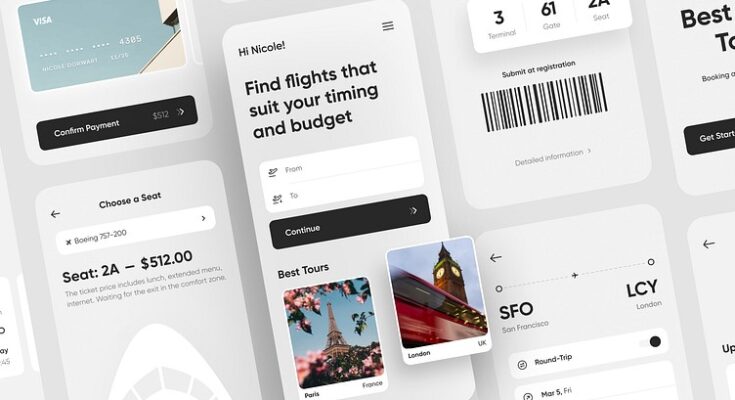
In today’s interconnected digital ecosystem, websites are no longer standalone marketing tools. They function as central hubs that connect multiple business systems, enabling seamless communication across marketing, sales, operations, and intelligence platforms. This complex interconnection is a core focus of modern custom web development. Without proper integration, organizations risk fragmented experiences for both users and internal teams.
For instance, marketing campaigns may successfully drive traffic to a website, but if that website is not connected to a CRM system, valuable leads can go untracked or unassigned. Similarly, when ERP systems are disconnected, inventory inaccuracies can frustrate customers, cause order delays, and erode brand trust. Integration ensures that data flows seamlessly, decisions are informed by real-time information, and the website serves as a true operational backbone rather than a static front-end.
Why Integration Matters
Disconnected systems create fragmented experiences for both users and internal teams. For example, marketing campaigns may drive traffic to a website, but without CRM integration, leads can slip through the cracks. Similarly, inventory mismatches from ERP disconnects can frustrate users and harm brand trust.
Key Drivers of Integrated Web Platforms
The benefits of connecting core systems to your website extend far beyond convenience, shaping both user experience and internal operations in profound ways:
Enhanced User Experience
When a website is integrated with CRM, marketing automation, and personalization engines, it can deliver content that is tailored to each visitor’s behavior, preferences, and purchase history. For example, a returning customer might see product recommendations based on their previous orders, receive location-specific promotions, or access relevant support resources instantly. Contextual messaging powered by real-time data ensures that every interaction feels relevant and timely, increasing engagement, satisfaction, and ultimately, loyalty. This kind of personalization transforms a website from a static portal into an adaptive, customer-centric platform.
Operational Efficiency
Integration allows workflows to be automated across systems, significantly reducing manual effort. For instance, when a user completes a form on the website, the lead can automatically populate the CRM, trigger an email follow-up, and update the marketing dashboard without human intervention. Inventory updates from ERP systems can instantly reflect on product pages, preventing overselling or stockouts. These efficiencies not only minimize errors but also free internal teams to focus on higher-value activities such as strategy, customer support, or creative campaigns, rather than repetitive administrative tasks.
Data-Driven Insights
By consolidating information from CRM, ERP, analytics, and other operational platforms, businesses gain a holistic view of customers and operations. This unified perspective enables more informed decision-making: marketing teams can identify high-performing campaigns, sales teams can prioritize leads based on behavior and purchase potential, and operations teams can anticipate inventory needs or bottlenecks. The ability to analyze patterns and respond in real time empowers organizations to act proactively, make data-backed choices, and optimize both customer-facing and back-end processes.
Scalability
Integrated platforms are inherently more adaptable to growth and change. As business needs evolve, organizations can introduce new tools, expand into additional sales channels, or deploy innovative features without disrupting existing workflows. For example, adding a new e-commerce marketplace, launching a mobile app, or integrating a new analytics tool can happen smoothly because the underlying systems communicate seamlessly. This flexibility reduces the risk of data silos and ensures that the website continues to function as a coherent, responsive hub for all digital interactions.
In short, a website operating in isolation can no longer support modern business demands. Integration transforms it into an intelligent, responsive business engine, capable of delivering a seamless, personalized experience to users while streamlining internal operations, enabling data-driven decision-making, and supporting scalable growth. When implemented strategically, integration turns a website from a mere digital presence into a centralized hub that drives revenue, efficiency, and customer satisfaction across the entire organization.
CRM Integration: Bridging Marketing and Sales
Customer Relationship Management (CRM) platforms, such as Salesforce, HubSpot, or Microsoft Dynamics, are central to managing customer interactions, tracking leads, and driving conversions. When a website is integrated with a CRM, it becomes a dynamic tool for capturing, nurturing, and engaging prospects in real time, transforming anonymous visitors into actionable opportunities.
Key Benefits
- Real-Time Lead Capture. Website forms, live chat widgets, and interactive tools automatically feed new leads into the CRM. This eliminates manual entry, ensures data accuracy, and allows sales and marketing teams to act on inquiries immediately.
- Behavioral Tracking. Integration enables monitoring of page visits, clicks, downloads, and other engagement metrics. By analyzing user behavior, teams can create highly targeted campaigns and personalized follow-ups that align with each prospect’s journey.
- Automated Follow-Ups. Based on user actions, the system can trigger emails, assign tasks to sales representatives, or send notifications to relevant teams. Automation ensures timely communication and reduces the risk of missed opportunities.
- Personalization. CRM integration allows websites to display tailored content, product recommendations, or offers based on a visitor’s history, preferences, and past interactions. This personalized approach increases engagement, improves conversion rates, and fosters stronger customer relationships.
By connecting a website to a CRM system, businesses create a seamless, data-driven process for lead management, turning casual visitors into qualified prospects and ensuring that every interaction is captured, tracked, and acted upon efficiently.
ERP Integration: Aligning Operations with Online Experiences
Enterprise Resource Planning (ERP) systems, such as SAP, Oracle NetSuite, or Microsoft Dynamics 365, coordinate inventory management, order fulfillment, finance, and logistics across an organization. Integrating an ERP with a website ensures that online experiences accurately reflect operational realities, providing both customers and internal teams with reliable, real-time information. In travel web development, this integration is particularly valuable, enabling platforms to manage bookings, availability, pricing, and customer data seamlessly across multiple channels.
Key Benefits
- Accurate Product Availability. Inventory levels update in real time across all sales channels, preventing overselling, backorders, or stockouts. Customers see only the products that are truly available, improving trust and satisfaction.
- Automated Order Processing. Online orders flow directly into ERP workflows, triggering fulfillment, shipping, and invoicing processes automatically. This reduces manual effort, eliminates errors, and accelerates the order-to-delivery cycle.
- Pricing and Promotions Management. Dynamic pricing, seasonal discounts, and promotional campaigns are reflected automatically on the website, ensuring consistency between online and offline channels and avoiding customer confusion.
- Enhanced Reporting. ERP integration consolidates website transactions with operational data, providing comprehensive insights into sales performance, inventory turnover, and revenue trends. Teams can make informed decisions that align marketing, finance, and operations strategies.
For e-commerce businesses, ERP integration is essential for scalability and operational efficiency. It ensures that online experiences are synchronized with backend systems, reduces friction in the purchase process, and ultimately supports both customer satisfaction and business growth.

AI Integration: Intelligent, Data-Driven Experiences
Artificial Intelligence (AI) is transforming websites from static information portals into intelligent, adaptive platforms that learn from user behavior, optimize interactions, and predict future actions. By integrating AI, businesses can provide experiences that are not only personalized but also predictive, improving engagement, conversions, and operational efficiency across all digital touchpoints.
Key Benefits
- Personalized Recommendations. AI analyzes browsing history, purchase behavior, and engagement patterns to suggest relevant products, articles, or services. This not only increases cross-selling and upselling opportunities but also enhances user satisfaction by delivering content that aligns with individual preferences.
- Chatbots and Virtual Assistants. Real-time AI-driven support helps answer questions, guide users through complex processes, and reduce friction in the sales funnel. Virtual assistants can handle multiple queries simultaneously, providing a consistent and scalable support experience that improves conversions.
- Predictive Analytics. AI models forecast customer demand, anticipate churn risks, and optimize marketing spend by identifying which campaigns are likely to yield the highest return. These insights enable teams to act proactively rather than reactively, aligning resources with business priorities.
- Automated Optimization. AI continuously monitors user engagement, A/B testing results, and content performance to refine website UX, layout, and content delivery. Over time, the platform adapts dynamically, improving key metrics such as session duration, page views, and conversion rates.
When AI is fully integrated with CRM and ERP systems, insights flow seamlessly across all platforms. This creates a closed-loop ecosystem where user behavior informs marketing actions, operational adjustments, and strategic decision-making, enabling continuous improvement in both customer experience and business performance.
Best Practices for Seamless Integration
Implementing AI, CRM, and ERP integrations successfully requires careful planning across both technical and organizational dimensions to ensure reliability, scalability, and measurable business impact.
Technical Considerations
- API-First Approach. Each system should expose stable, well-documented APIs to facilitate seamless communication and avoid integration bottlenecks.
- Real-Time Synchronization. Minimize delays between website interactions and back-end updates to ensure that data, such as leads, orders, and inventory, is always current and accurate.
- Data Mapping and Standardization. Maintain consistent formats and schemas across systems to prevent errors and ensure accurate reporting, analytics, and automated workflows.
- Security and Compliance. Protect sensitive user and business data throughout integration processes, adhering to privacy regulations such as GDPR, CCPA, and industry-specific standards.
Organizational Practices
- Cross-Functional Alignment. Ensure IT, marketing, sales, and operations teams share common integration objectives and communicate regularly to coordinate workflows and priorities.
- Monitoring and Alerts. Implement systems to detect synchronization failures, data inconsistencies, or API errors, enabling rapid resolution before they impact users or business operations.
- Continuous Audit and Optimization. Regularly evaluate integrations for performance, scalability, and evolving business needs, ensuring the system remains efficient, reliable, and future-proof.
By combining these technical and organizational best practices, businesses can create a truly connected digital ecosystem where AI, CRM, and ERP work together to deliver personalized, efficient, and predictive experiences at scale.
Case Study: A Global Retail Platform
A multinational retail brand undertook a comprehensive integration of its website with CRM, ERP, and AI-powered recommendation engines, transforming its online presence into a centralized hub for sales, operations, and customer engagement. The implementation focused on synchronizing customer data, inventory, and marketing workflows to create a seamless, data-driven ecosystem.
Key Results of Integration
- 40% Increase in Conversion Rates. Personalized content and AI-driven recommendations tailored to individual customer behavior encouraged higher engagement and more completed purchases. Customers received product suggestions and promotional offers that aligned with their preferences and browsing history, significantly boosting conversions.
- 25% Reduction in Operational Errors. Automated order processing through ERP integration minimized manual entry mistakes, ensured accurate inventory updates, and reduced fulfillment delays. Operational teams could focus on strategic tasks rather than correcting errors, improving efficiency and reliability.
- Faster Marketing Campaign Execution. With real-time lead tracking and CRM integration, marketing teams were able to launch targeted campaigns quickly, monitor responses instantly, and optimize messaging based on up-to-date data.
- Enhanced Customer Loyalty. Consistent, data-driven experiences across website interactions strengthened trust and loyalty, as customers benefited from accurate stock information, personalized recommendations, and timely communications.
This case demonstrates that integration transforms websites from standalone assets into central business enablers, driving revenue, operational efficiency, and customer satisfaction simultaneously.
Future Trends in Web Integration
As digital ecosystems evolve, integration will continue to grow in sophistication, enabling businesses to operate with greater agility and deliver superior experiences across multiple channels.
Emerging Trends
- Composable Architectures. Organizations will adopt modular, plug-and-play components for CRM, ERP, and AI systems, allowing them to swap or upgrade functionality without disrupting the overall platform.
- Event-Driven Systems. Platforms will increasingly respond in real time to user actions and business triggers, such as automatically adjusting inventory levels, sending personalized alerts, or triggering marketing workflows instantly.
- AI-Enhanced Automation. Workflows will self-optimize using predictive analytics, forecasting demand, identifying potential churn, and making operational decisions without manual intervention.
- Omnichannel Integration. Websites, mobile applications, kiosks, and social media platforms will share a unified data ecosystem, ensuring consistent, personalized experiences regardless of touchpoint.
Organizations that embrace these trends will achieve unprecedented agility, scalable growth, and highly engaging customer experiences, positioning themselves at the forefront of the next wave of digital transformation.
Conclusion
In today’s digital economy, websites can no longer function as static content portals or isolated points of interaction. To remain competitive, they must act as centralized hubs that connect marketing, sales, operations, and intelligence systems. Integrating CRM, ERP, and AI tools transforms a website from a simple interface into a multi-functional platform that drives measurable business outcomes. Integrated systems turn websites into engines of revenue growth by ensuring that every lead, interaction, and transaction is tracked, nurtured, and optimized.
Personalization powered by CRM and AI increases conversions, encourages repeat purchases, enables upselling, and builds long-term customer loyalty. At the same time, ERP integration enhances operational excellence by automating workflows, reducing errors, and synchronizing inventory, order fulfillment, and financial data.
Operational teams gain complete visibility and control, allowing faster decision-making and more efficient management of resources. AI-driven personalization, combined with real-time behavioral tracking and predictive analytics, transforms websites into hubs for personalized, data-driven user experiences. Visitors enjoy seamless, contextually relevant journeys, including tailored content, product recommendations, and support, which strengthen engagement and build trust.
In 2025 and beyond, businesses that fail to integrate risk falling behind competitors who leverage every touchpoint, system, and data insight to optimize engagement, efficiency, and growth. Integration is no longer a technical afterthought; it is the backbone of a connected, intelligent digital ecosystem. Organizations that embrace full integration can operate at scale, respond in real time to customer needs, and position their websites as central drivers of both strategy and business performance.